

 Sign In
 0
0Main content starts here
How to Care for Rainwear
In order to maximize the usable lifespan of your rainwear, washing your rainwear is essential!
Maintaining your rainwear is what largely determines its performance and whether or not it will keep you safe and comfortable in the outdoors.
How can you maintain your garment's performance? The answer is simple: regular washing and treating it with heat. By washing frequently and treating it with heat, you can rejuvenate the garment's water repellency, which plays an essential role in garment's waterproof/breathable function.
How can you maintain your garment's performance? The answer is simple: regular washing and treating it with heat. By washing frequently and treating it with heat, you can rejuvenate the garment's water repellency, which plays an essential role in garment's waterproof/breathable function.
Notice
Montbell's maintenance products cannot be shipped to certain countries. In such cases, please use products from other manufacturers. Montbell recommends cleaning products made by Nikwax, Grangers, and Revivex.
Washing after each use
We commonly receive questions such as "Can rainwear be washed at home?" or "How often should I wash my rain jacket?" Though you may have concerns about potential damage to the fabric from frequent washings, it pales in comparison to the damage incurred by storing your rain jacket in the closet after use.
Many of the contaminants that adhere to the fabric are not easily visible, and simply wearing the item can lead to it being exposed to perspiration and the oils our bodies naturally produce. It is ideal to wash the item after every use. Regular washing is what prolongs the life of your rainwear.
Many of the contaminants that adhere to the fabric are not easily visible, and simply wearing the item can lead to it being exposed to perspiration and the oils our bodies naturally produce. It is ideal to wash the item after every use. Regular washing is what prolongs the life of your rainwear.
Why does the rainwear performance decline?
Modern rainwear typically employs waterproof/breathable materials. These materials are designed to prevent liquid water (ie raindrops) from passing through the material, and yet allow water vapor (ie evaporated perspiration) to pass through the material to the outside.
Neglecting maintenance leads to a decline in water repellency, causing the fabric's surface to absorb moisture, eliminating any avenue for water vapor to escape. Water vapor will instead condense into water droplets on the inside of the garment.
Neglecting maintenance leads to a decline in water repellency, causing the fabric's surface to absorb moisture, eliminating any avenue for water vapor to escape. Water vapor will instead condense into water droplets on the inside of the garment.
Fully functional water repellency
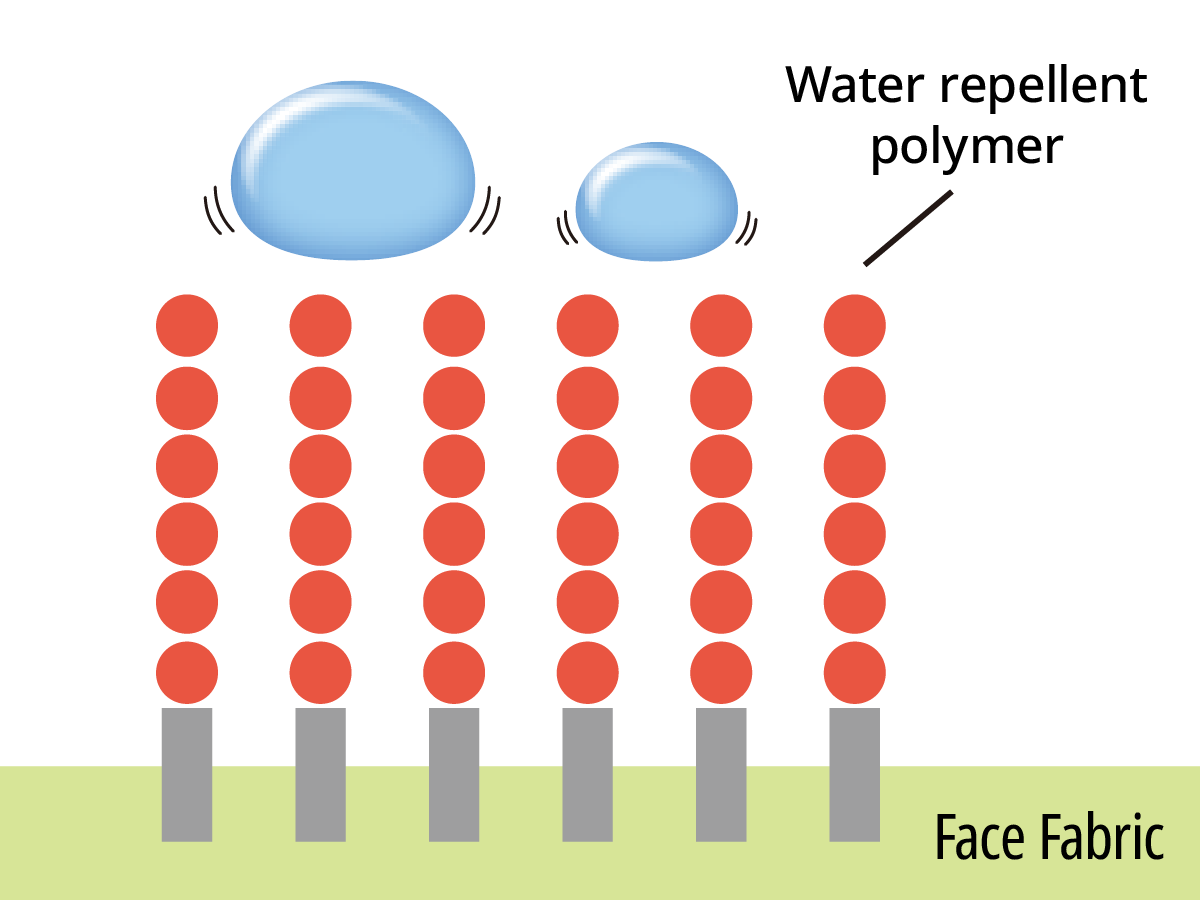
When functioning properly, water droplets roll off the surface of the fabric.
Compromised water repellency
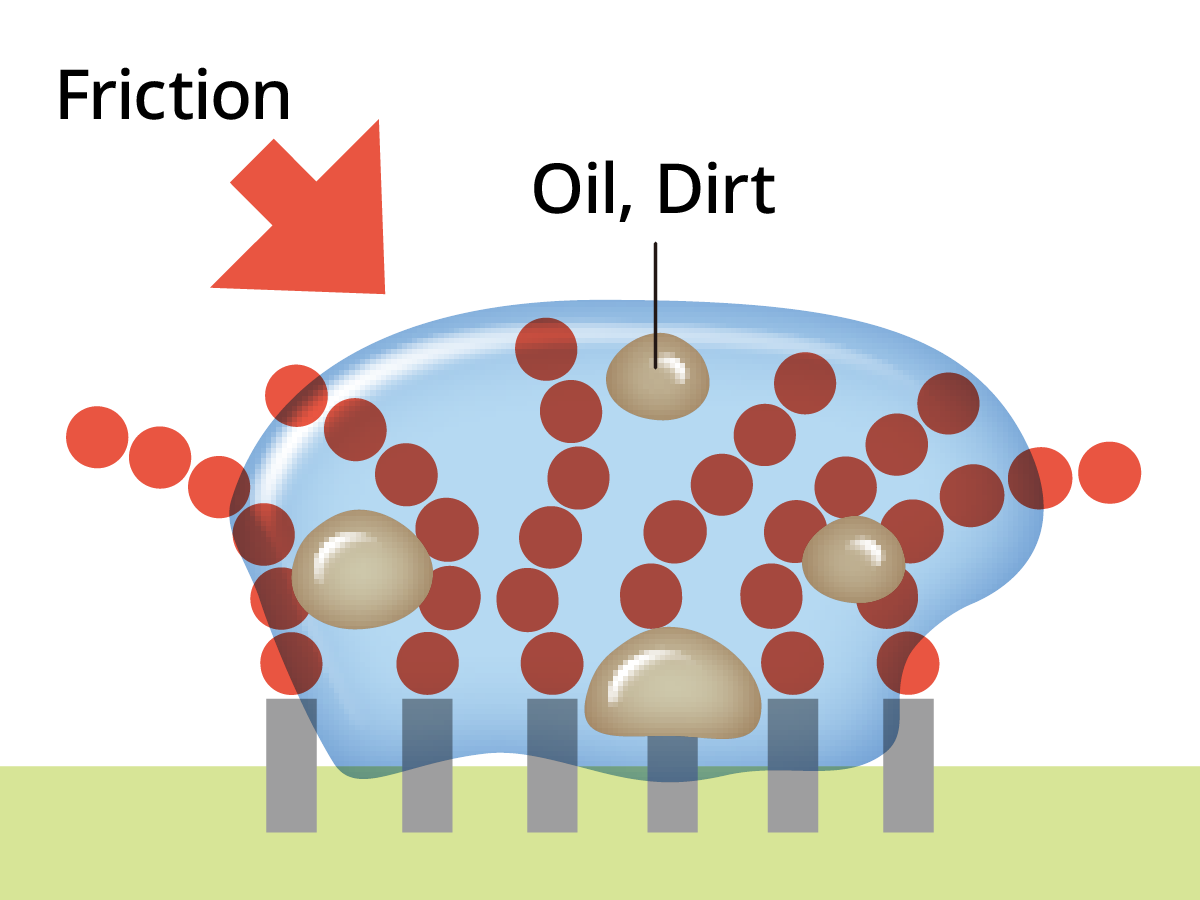
Oil stains, mud/dirt and abrasion can deteroriate the water repellent treatment, causing a loss of water repellency.
Regarding laundry detergents for products with synthetic/natural fibers
For maintenance of rainwear, you can use a neutral detergent like O.D. Maintenance Multi Cleaner.
MontBell's O.D. Maintenance Multi Cleaner is a high-functioning detergent, formulated to clean a variety of materials. (It is restricted for sale in some countries). It has excellent cleaning performance even in lukewarm water, and doesn't compromise the waterproof/breathable functionality of the garment.
Detergents formulated for natural fibers are neutral detergents and surprisingly be used to clean your rainwear.
MontBell's O.D. Maintenance Multi Cleaner is a high-functioning detergent, formulated to clean a variety of materials. (It is restricted for sale in some countries). It has excellent cleaning performance even in lukewarm water, and doesn't compromise the waterproof/breathable functionality of the garment.
Detergents formulated for natural fibers are neutral detergents and surprisingly be used to clean your rainwear.
How to wash
1. Before washing
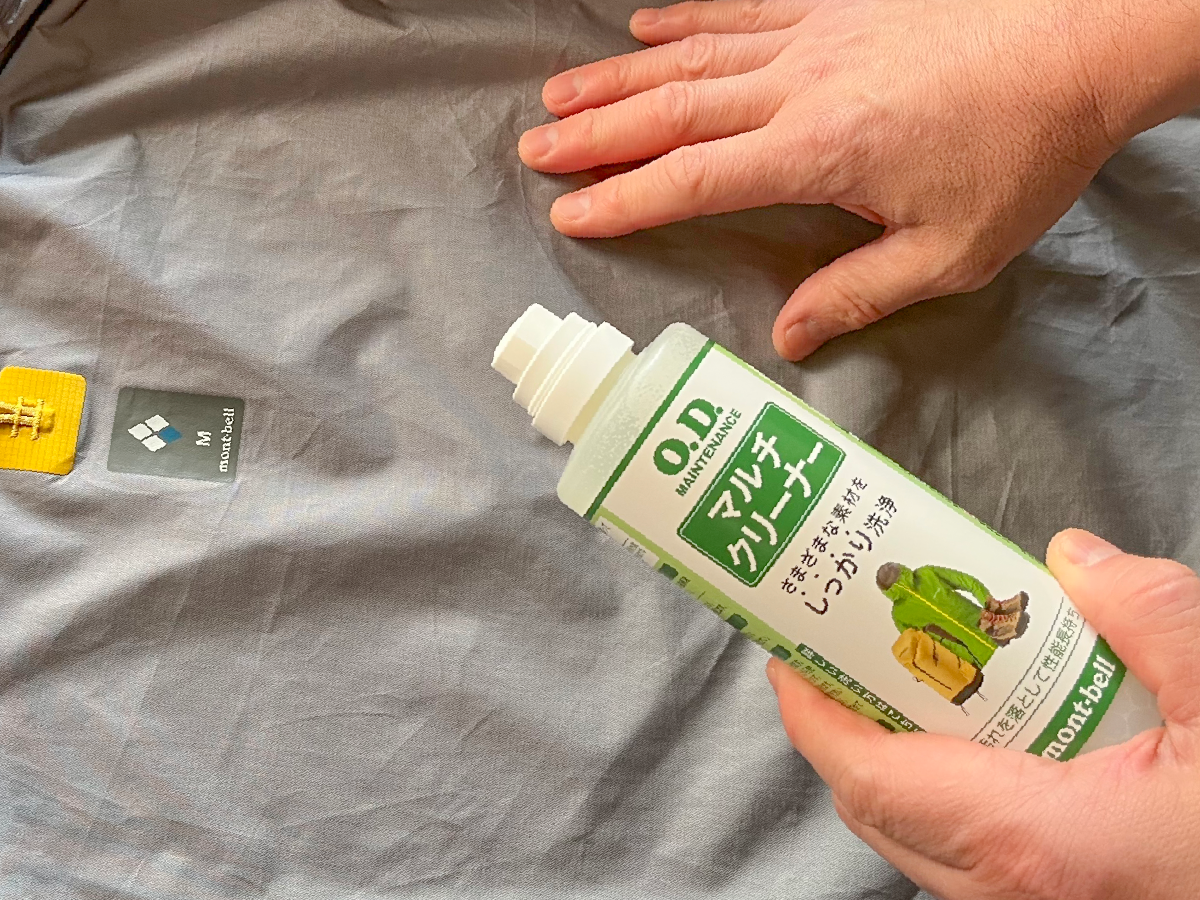
Apply a neutral detergent like O.D. Maintenance Multi Cleaner directly to extremely dirty areas.
2. Machine wash
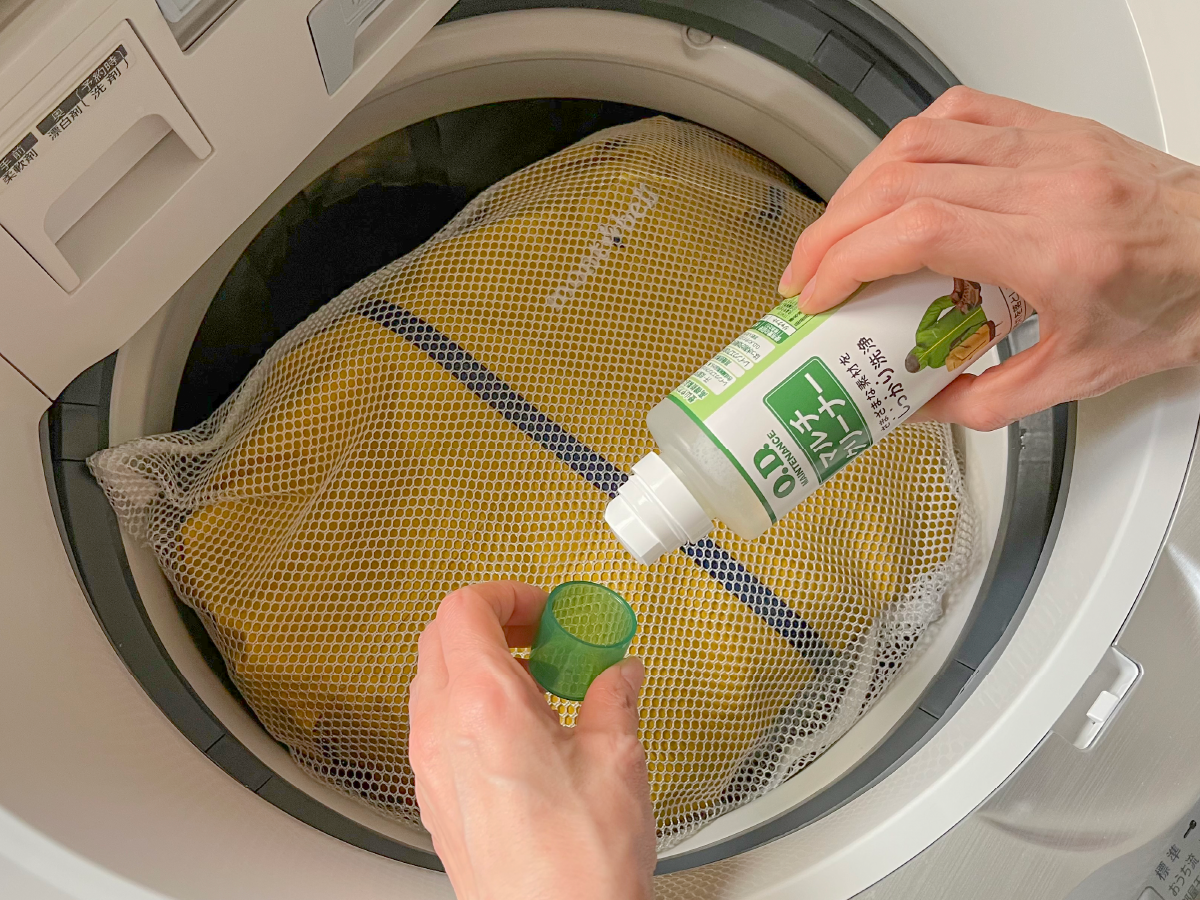
Place the garment into a laundry net. Ensure that zippers and velcro tabs are closed. Add an appropriate amount of detergent to the washing machine and wash on a gentle cycle (such as delicate).
Only use a top loading washing machine if it has an impeller. Top loading washing machines with a center agitator can damage garments.
3. Rinse (do not use a spin cycle)
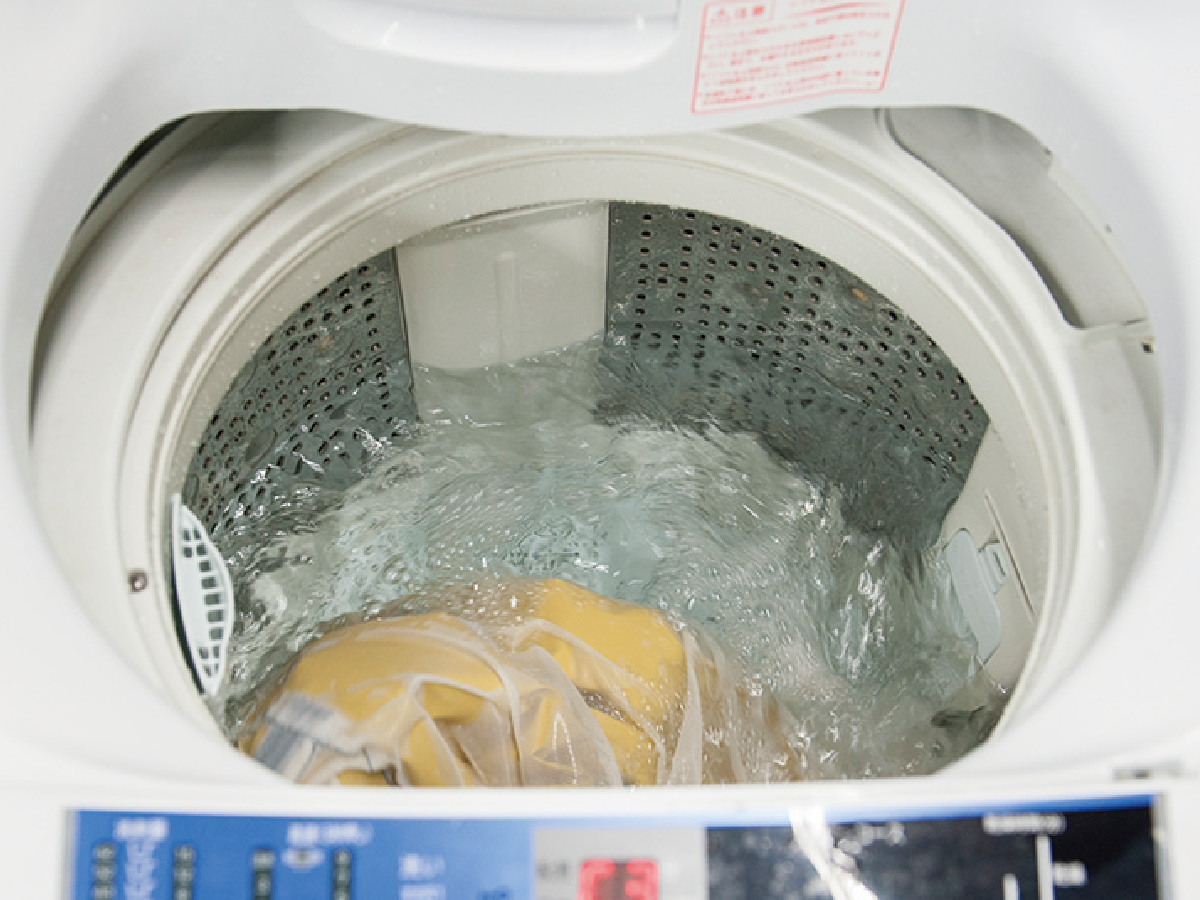
To ensure removing all detergent residue, use 2 rinse cycles.
Please note:
Detergents attract water, and any remaining residues can potentially compromise the water repellency and water resistance of the fabric.
4. Drying and heat treatment
After washing, follow the directions below to dry the garment or "heat treat" (guideline: up to 60 °C) your rainwear. Applying heat to your garment is necessary to rejuvenate the water repellent treatment.
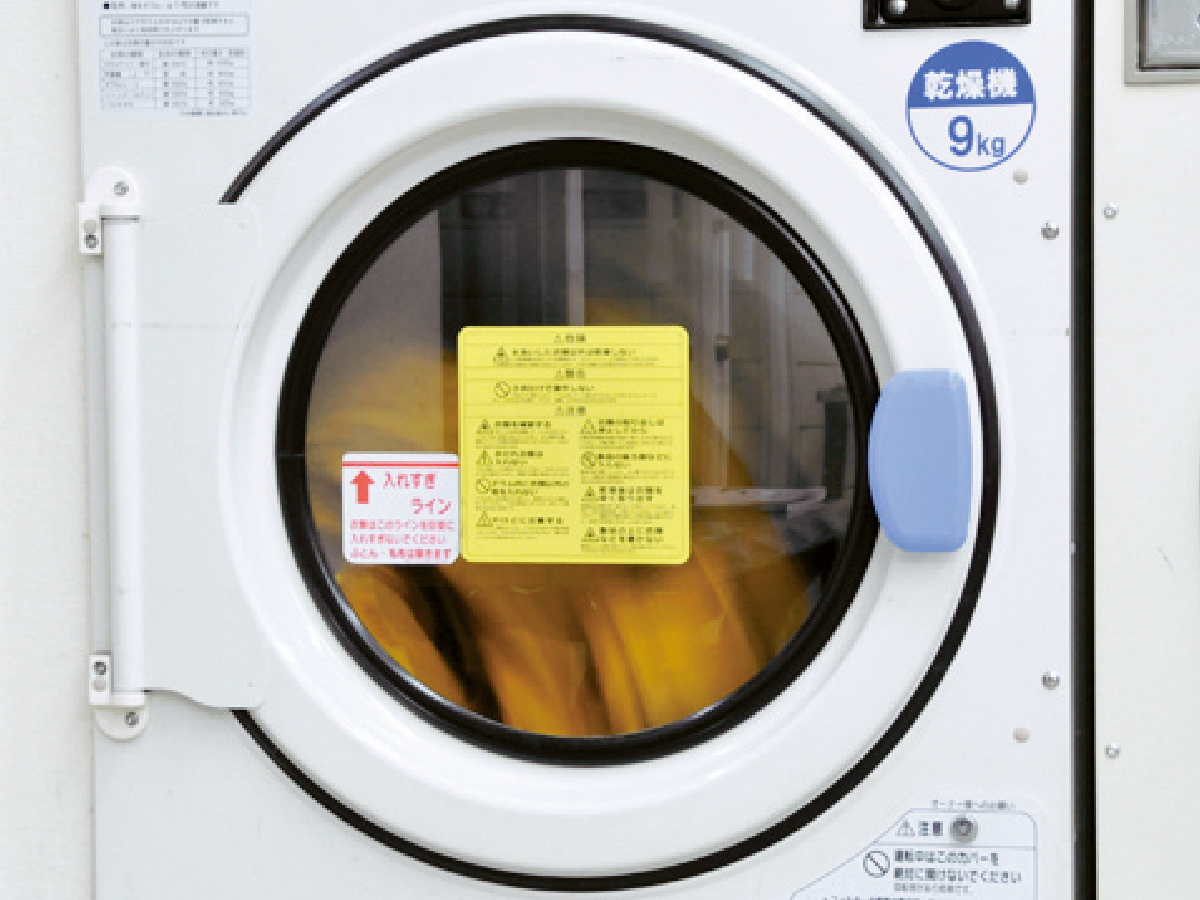
Using a dry
We recommend using a dryer to dry your rainwear, but only if the care label allows.
Air drying
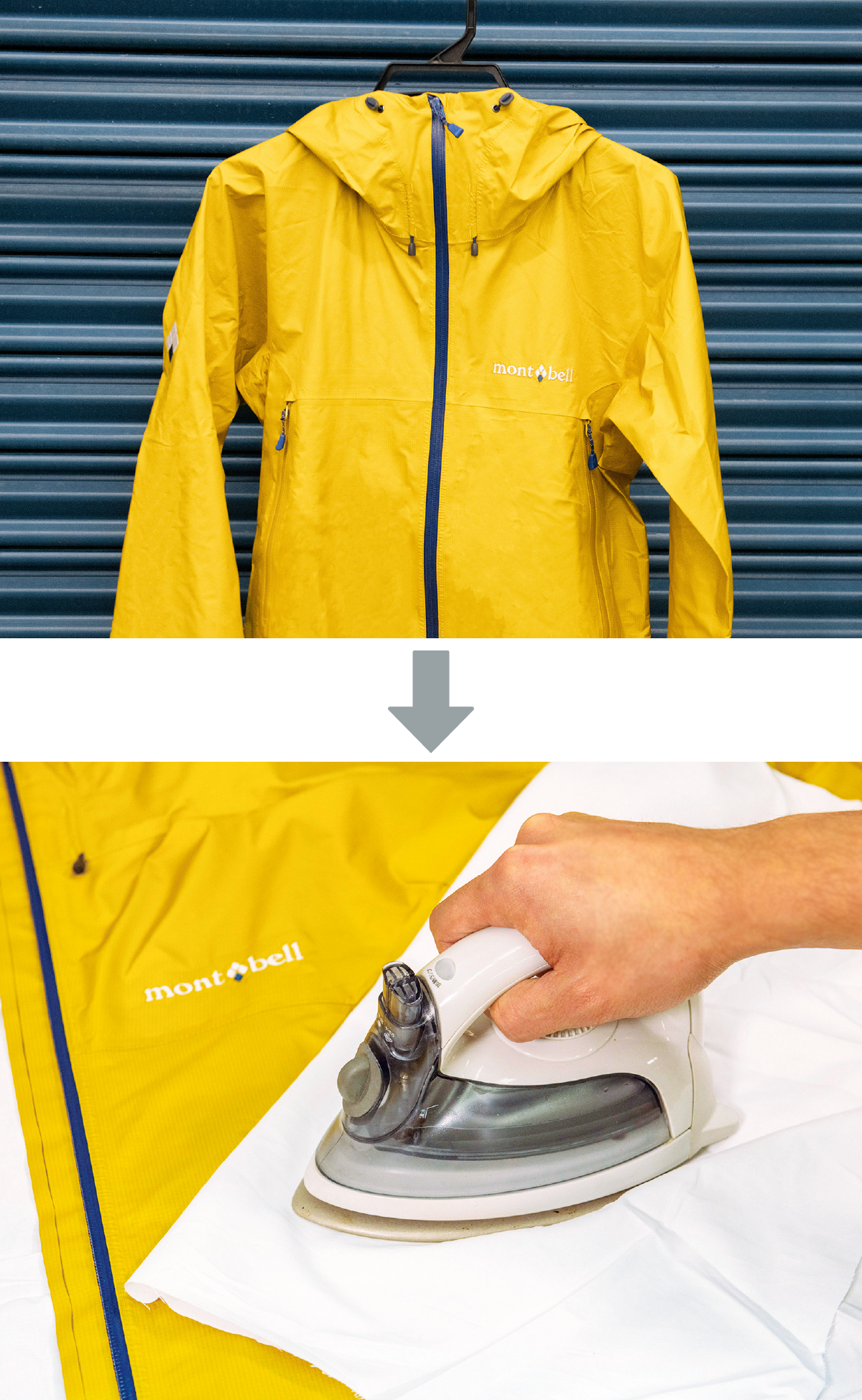
If drying in a dryer isn't possible, shade dry in a place with good ventilation. After drying, use an iron or hair dryer for heat treatment.
- Using an iron
You must use a pressing cloth or handkerchief and use the iron's lowest heat setting.
- Using a hair dryer
Apply heat (about 60 °C) from a distance of about 10cm away from the garment.
After washing apply heat treatment to restore water repellency
Water repellent polymers collapsed
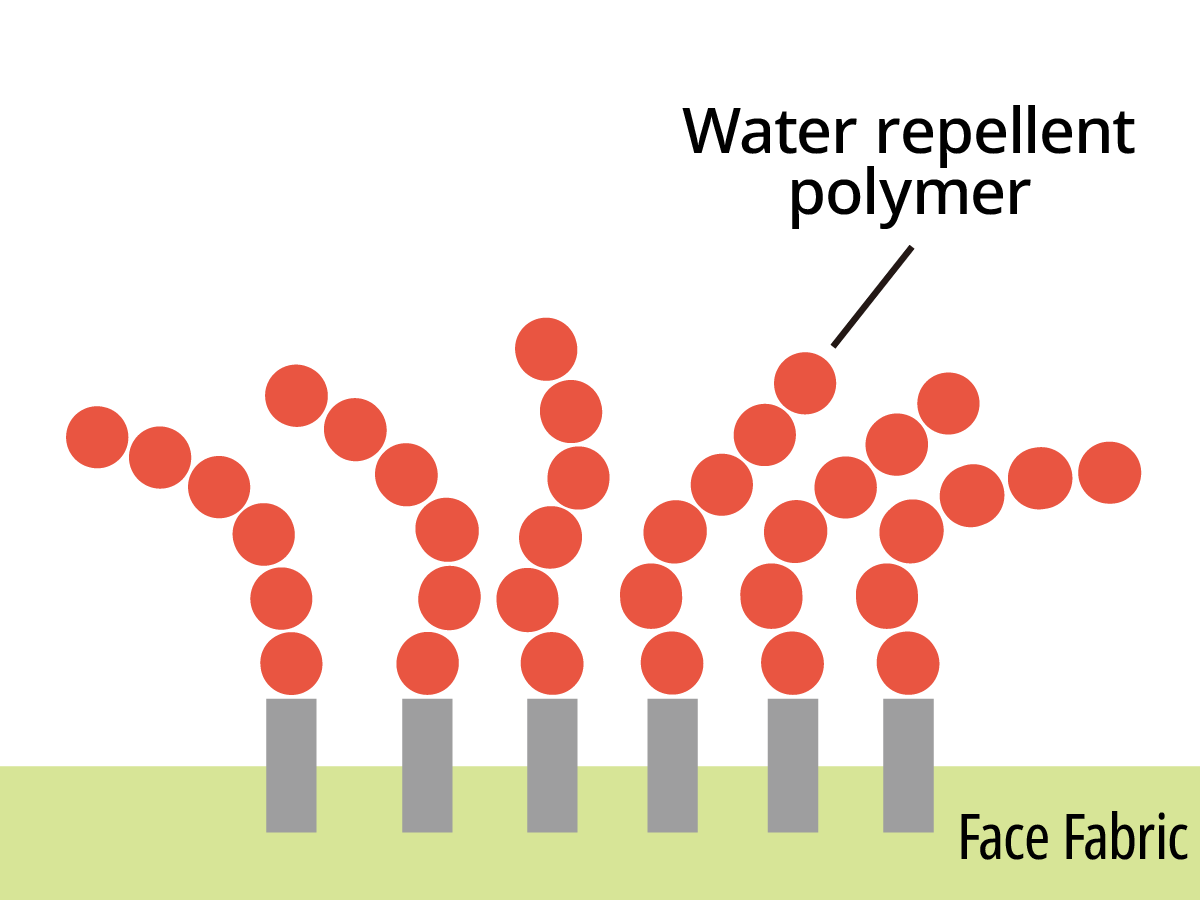
Even if contaminants are washed away, the water repellent polymers are collapsed and will not function.
Heat treatment realigns water repellent polymers
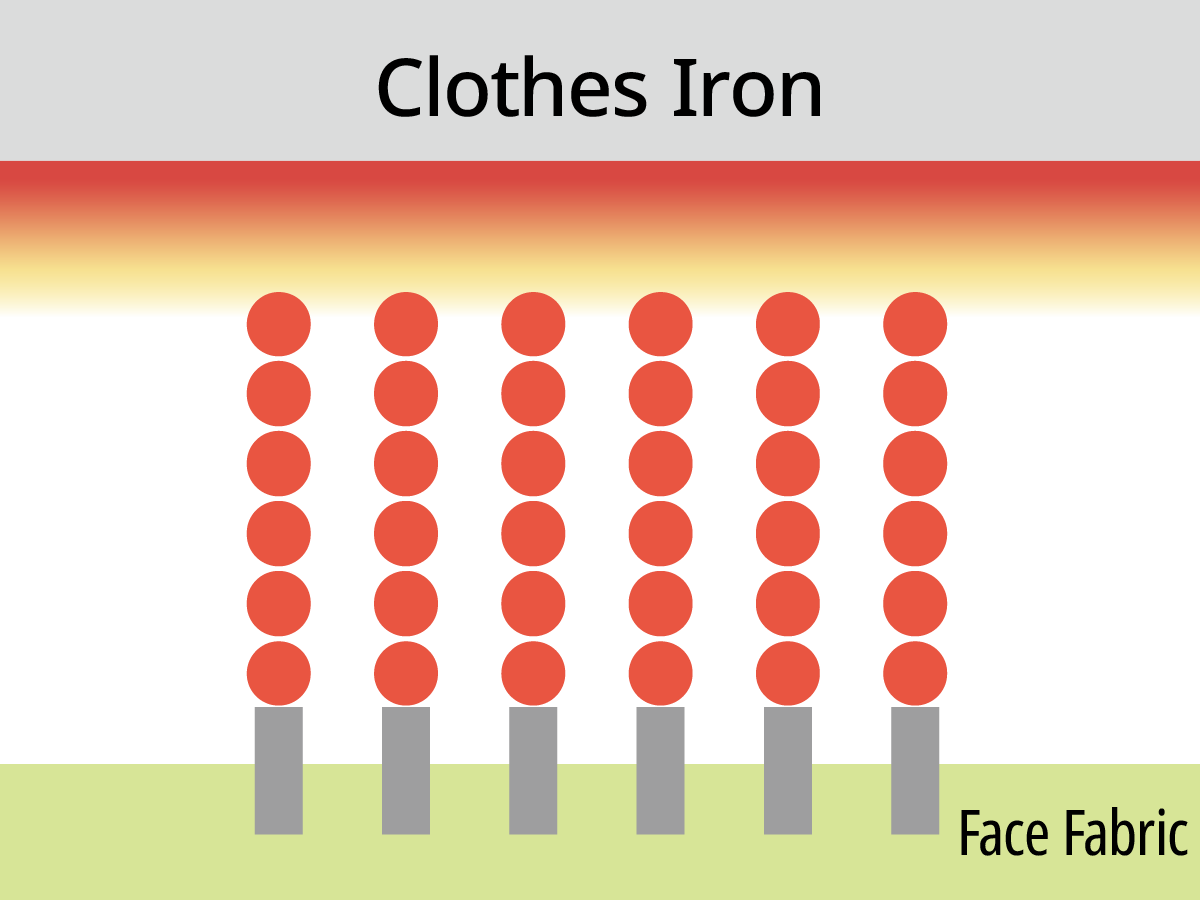
When heat is applied, the water repellant polymers realign, restoring the garment's water beading effect.
Timing and method of water repellent treatment usage
The water repellent treatment of your rainwear will gradually wear off with prolonged use. If the water beading effect of your garment cannot be restored with washing or heat treatment, it is time to reapply water repellent treatment.
Use the water repellent specific to each type of product to restore water repellency. We offer three types of water repellents for garments.
Use the water repellent specific to each type of product to restore water repellency. We offer three types of water repellents for garments.
Applying a water repellent treatment to a garment with a functioning water repellent treatment has the opposite effect and will cause the treatment to deteriorate.
Water repellent treatments are also available for products other than garments such as shoes (for leather and synthetic). Select a treatment based on the fabric type.
Tips
To bring out the best performance of the treatment, please wash before treating and always heat treat after applying (except for aerosol spray type treatments).
Water repellency can be impaired by using too little or too much treatment. Always use the correct amount of water repellent treatment.
Water repellency can be impaired by using too little or too much treatment. Always use the correct amount of water repellent treatment.
Easy to use aerosol spray that doesn't require heat treatment
This spray allows you to easily reapply water repellent treatment after your garment is dry, even the morning before you leave for a trip.
How to use
After washing, ensure the garment is dry and spray on a thin, uniform coat. Spraying too much is wasteful as it has no effect on performance and only causes the treatment to run.
If the treatment causes a stain, heat the area immediately with an iron to lighten the stain.
Once dry, reapply 4-5 coats. As a general idea, one 330ml spray can is enough to coat a rain jacket and rain pant.
If the treatment causes a stain, heat the area immediately with an iron to lighten the stain.
Once dry, reapply 4-5 coats. As a general idea, one 330ml spray can is enough to coat a rain jacket and rain pant.
Caution
Please use the spray outdoors, in a well-ventilated area. Prior to use, thoroughly read the warning labels and instructions provided with the product.
Liquid Spray Type for effective spray coverage
Spray on garments that have been washed but are still wet for best performance. This type of spray is also great for reapplying to specific areas and when you want to avoid treating the inside of the garment.
How to use
After washing, spray the garment while it is still wet, then dry in a dryer or apply heat with an iron or hair dryer. After spraying the garment, you could use a sponge to apply an even coat.
Soak-in type applies an even coat
After washing, multiple garments can be treated at the same time with an even coat when using soak-in type water repellent treatment. Use on garments like rainwear, or other items that you want to apply water repellency to the entire garment.
How to use
After washing your garments, immerse in water with the water repellent treatment mixed in. After soaking, dry in a dryer or apply heat with an iron or hair dryer.
Soak-in type water repellent should not be used on products with liners that have wicking properties. Water repellent treatment will disrupt the functionality of the chemical treatment that improves wicking.
Repair small tears and damage
If you get an unexpected rip or tear from a tree branch or the corner of a rock, leaving it untreated will ruin the product's ability to keep you dry.
Depending on the extent and location of damage, there are handy repair items for backcountry emergencies and for when you get home.
Depending on the extent and location of damage, there are handy repair items for backcountry emergencies and for when you get home.
Using Repair Sheets
An adhesive patch applied to the outside of the damaged area. However, this is merely a temporary repair for backcountry emergencies.
After thoroughly removing any dirt from the damaged area, cut the sheet to a size larger than the hole or tear. The larger the adhesion area, the higher durability. Rounding the corners will make it less likely to peel off.
Apply to the outer fabric on the damaged area.
- 1) Cut the Sheet
After thoroughly removing any dirt from the damaged area, cut the sheet to a size larger than the hole or tear. The larger the adhesion area, the higher durability. Rounding the corners will make it less likely to peel off.
- 2) Apply to the outer fabric
Apply to the outer fabric on the damaged area.
Using DRY-TEC repair patches
These are patches that are applied to the inner fabric of the damaged area.
Thoroughly remove any dirt from the damaged area, then sew the damaged areas together.
Cut the sheet to a size larger than the hole or tear, then place the repair patch to the inner fabric of the damaged area.
Use a pressing cloth and apply heat to the repair patch with an iron.
- 1) Sew the hole or tear together
Thoroughly remove any dirt from the damaged area, then sew the damaged areas together.
- 2) Apply the sheet to the inner fabric
Cut the sheet to a size larger than the hole or tear, then place the repair patch to the inner fabric of the damaged area.
- 3) Apply heat with an iron
Use a pressing cloth and apply heat to the repair patch with an iron.
Have repair questions? Contact our repair department!
For issues involving seam tape or repairs requiring complex sewing skills, please consult with your local Montbell store or . We're available for repair consultions anytime.
Storage tips to maximize the usable lifespan or your rainwear
Proper care and storage is essential for maximizing the usable lifespan of your rainwear. Especially when storing long term, please note the following.
If left stuff sack for long term storage, moisture remaining on the fabric can lead to damage. Please use a hanger for long term storage.
Avoid direct sunlight as ultraviolet rays can damage the fabric.
Store so that desiccants, moth balls, air fresheners, etc., do not come in direct contact with the fabric. Please check the chemical's instructions or warning labels.
Avoid places exposed to high temperatures or high humidity such as car interiors or outdoor storage. Store somewhere with stable temperatures and good ventilation.
Storing a product dirty will accelerate fabric deterioration. To maximize the lifespan of the product, always keep it clean.
- Store on a hanger
If left stuff sack for long term storage, moisture remaining on the fabric can lead to damage. Please use a hanger for long term storage.
- Avoid Direct Sunlight
Avoid direct sunlight as ultraviolet rays can damage the fabric.
- Avoid Direct Contact with Household Chemicals
Store so that desiccants, moth balls, air fresheners, etc., do not come in direct contact with the fabric. Please check the chemical's instructions or warning labels.
- Avoid Hot Humid Conditions
Avoid places exposed to high temperatures or high humidity such as car interiors or outdoor storage. Store somewhere with stable temperatures and good ventilation.
- Always keep clean to maximize usable lifespan
Storing a product dirty will accelerate fabric deterioration. To maximize the lifespan of the product, always keep it clean.


